
ERASMUS KA171: Mobility visit
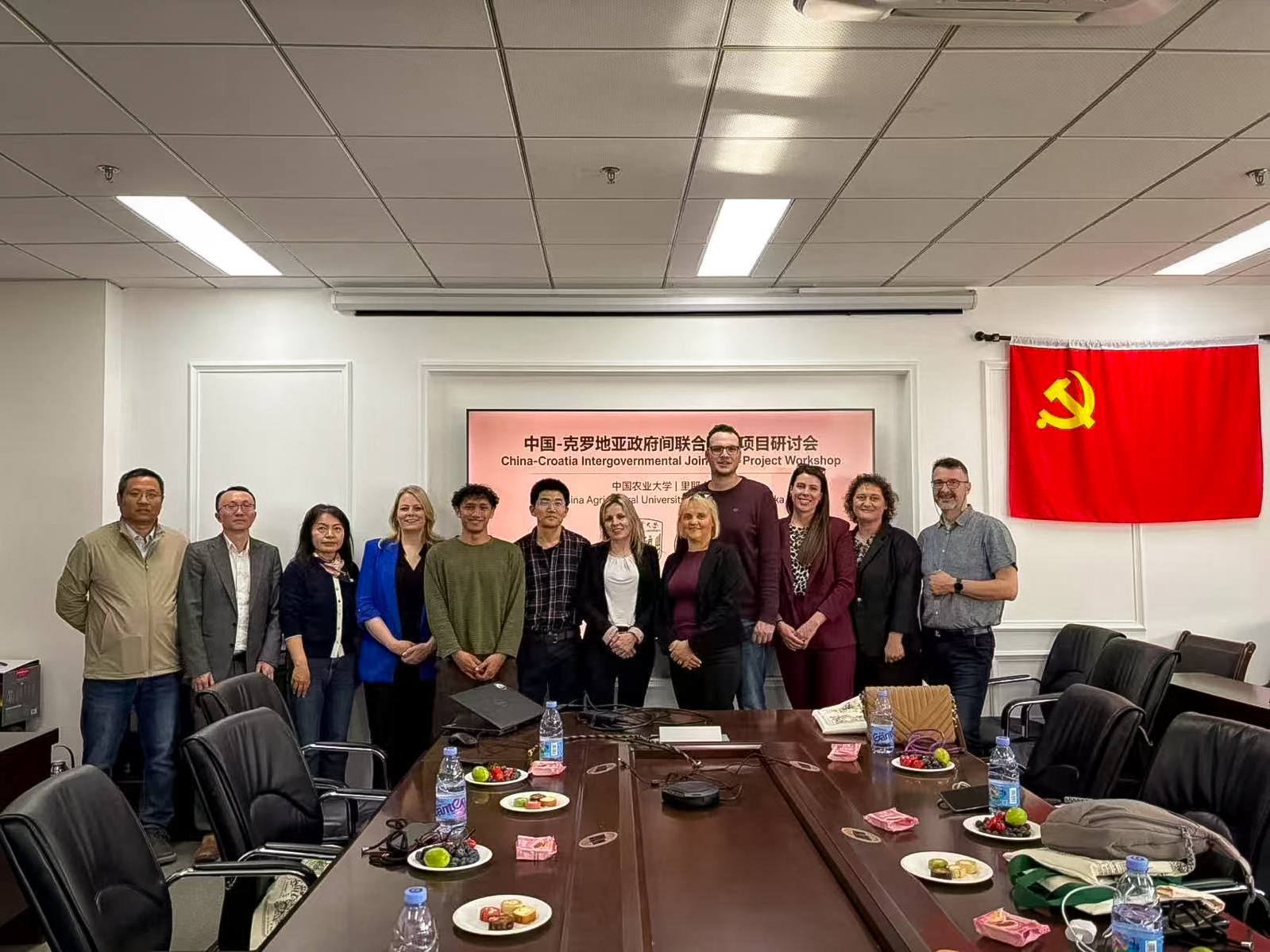
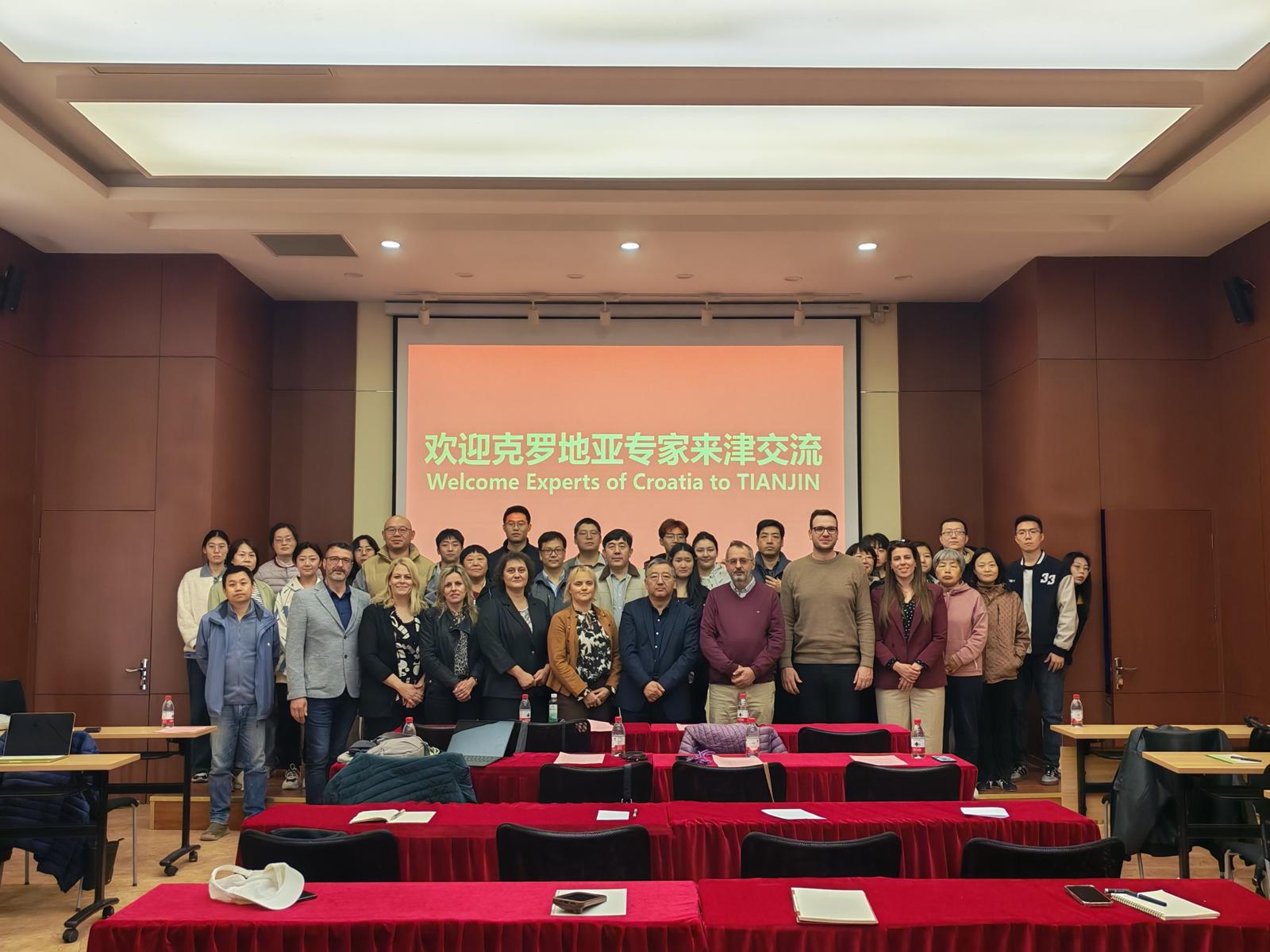
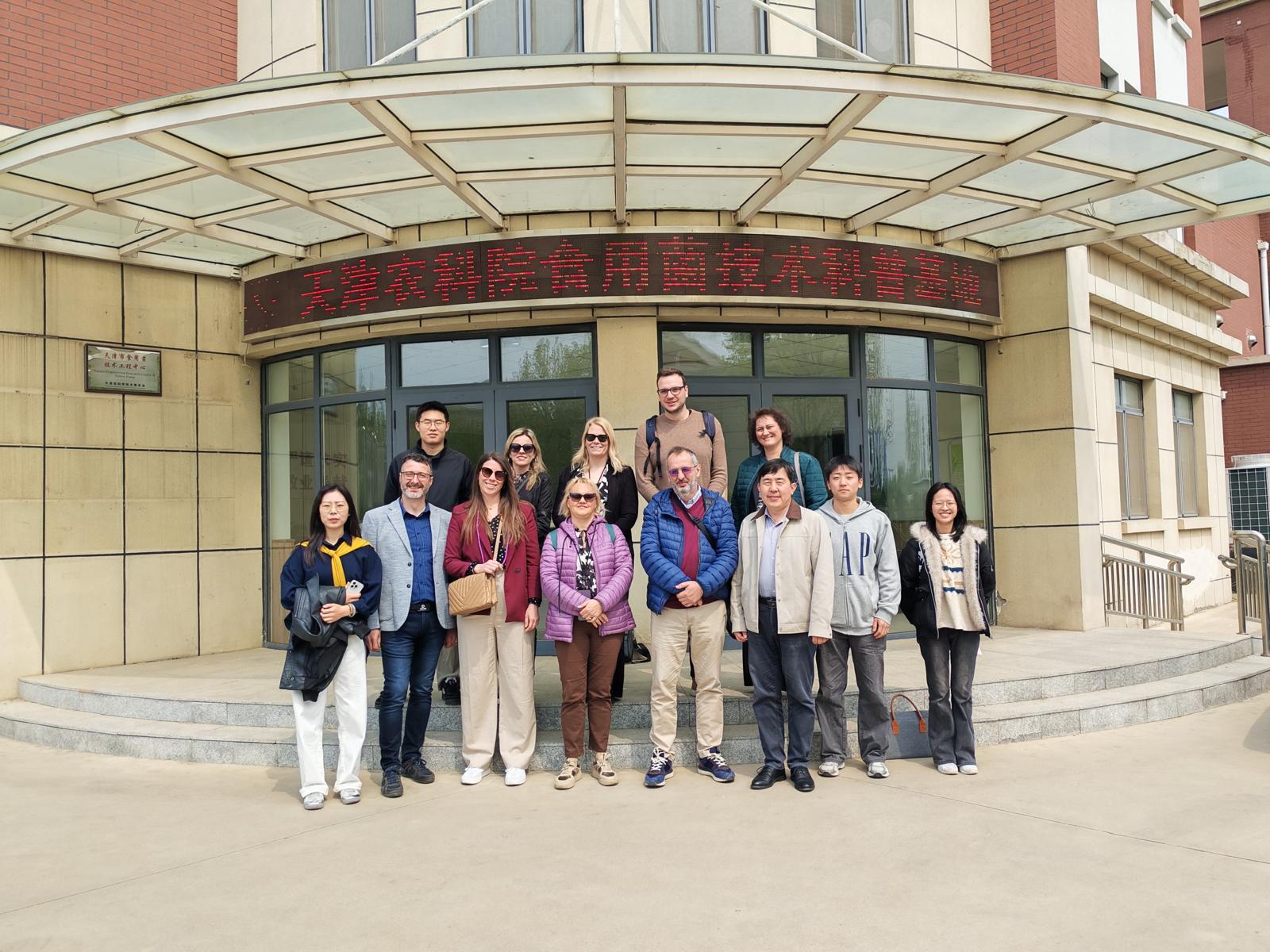
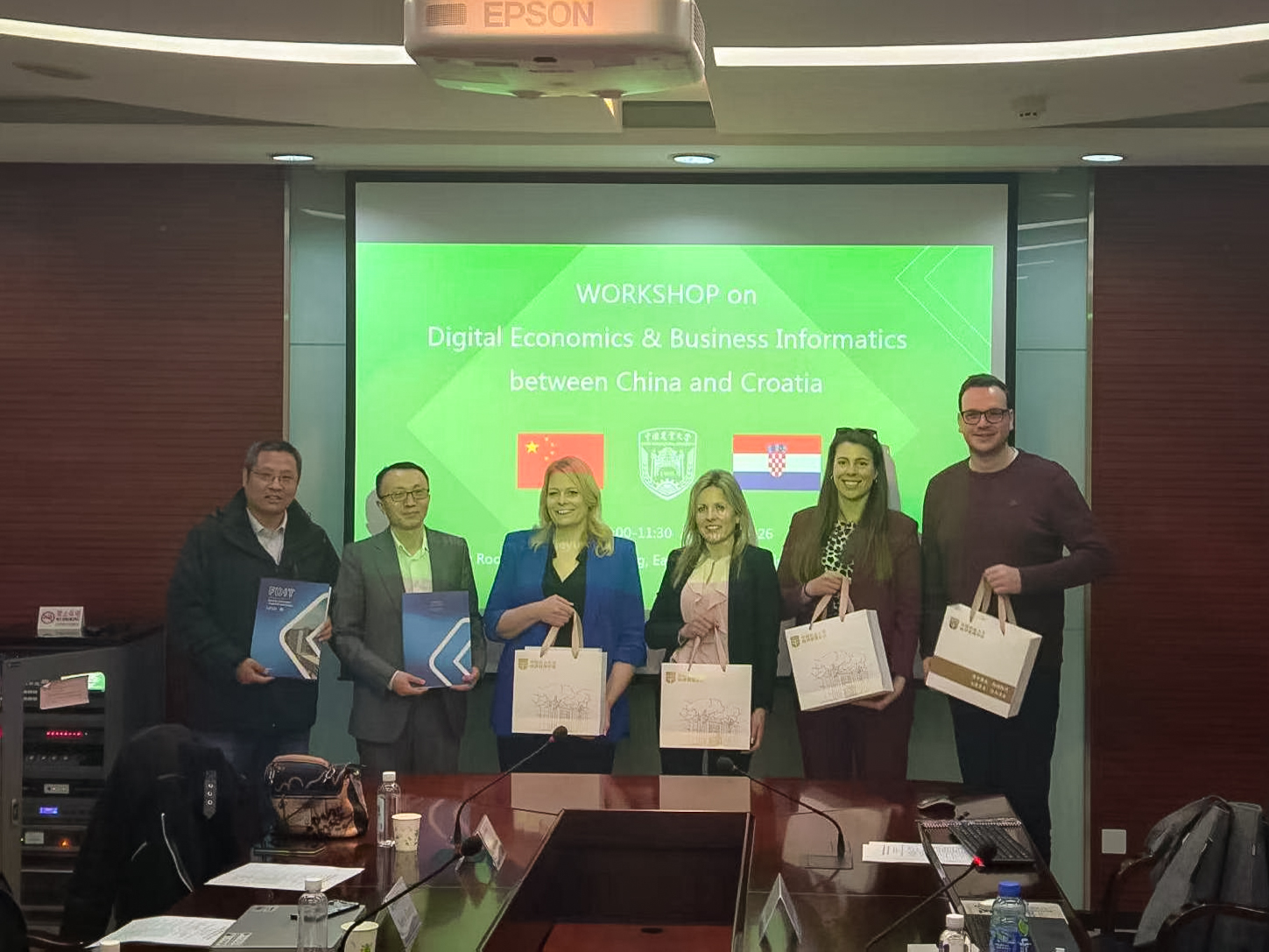
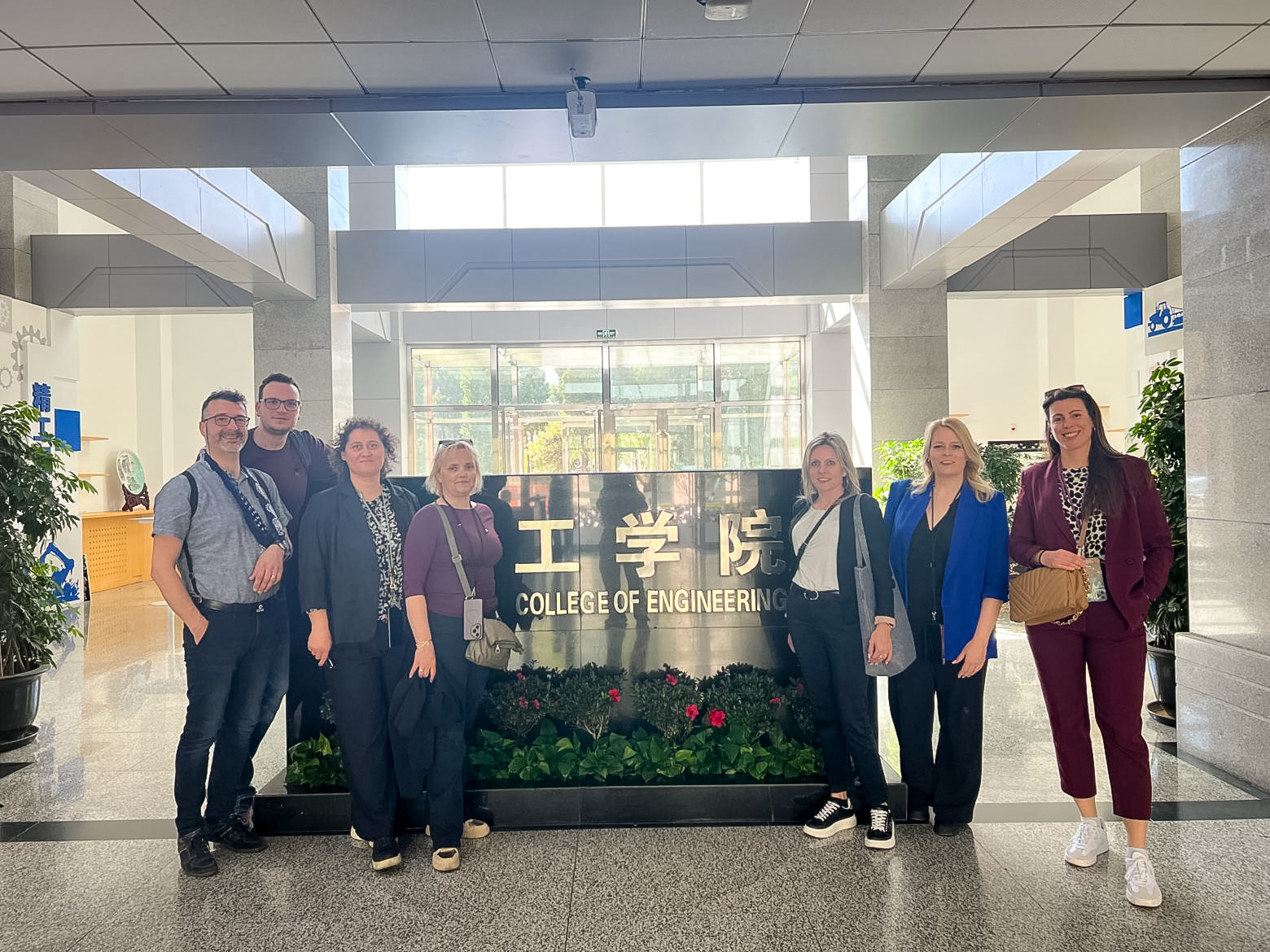
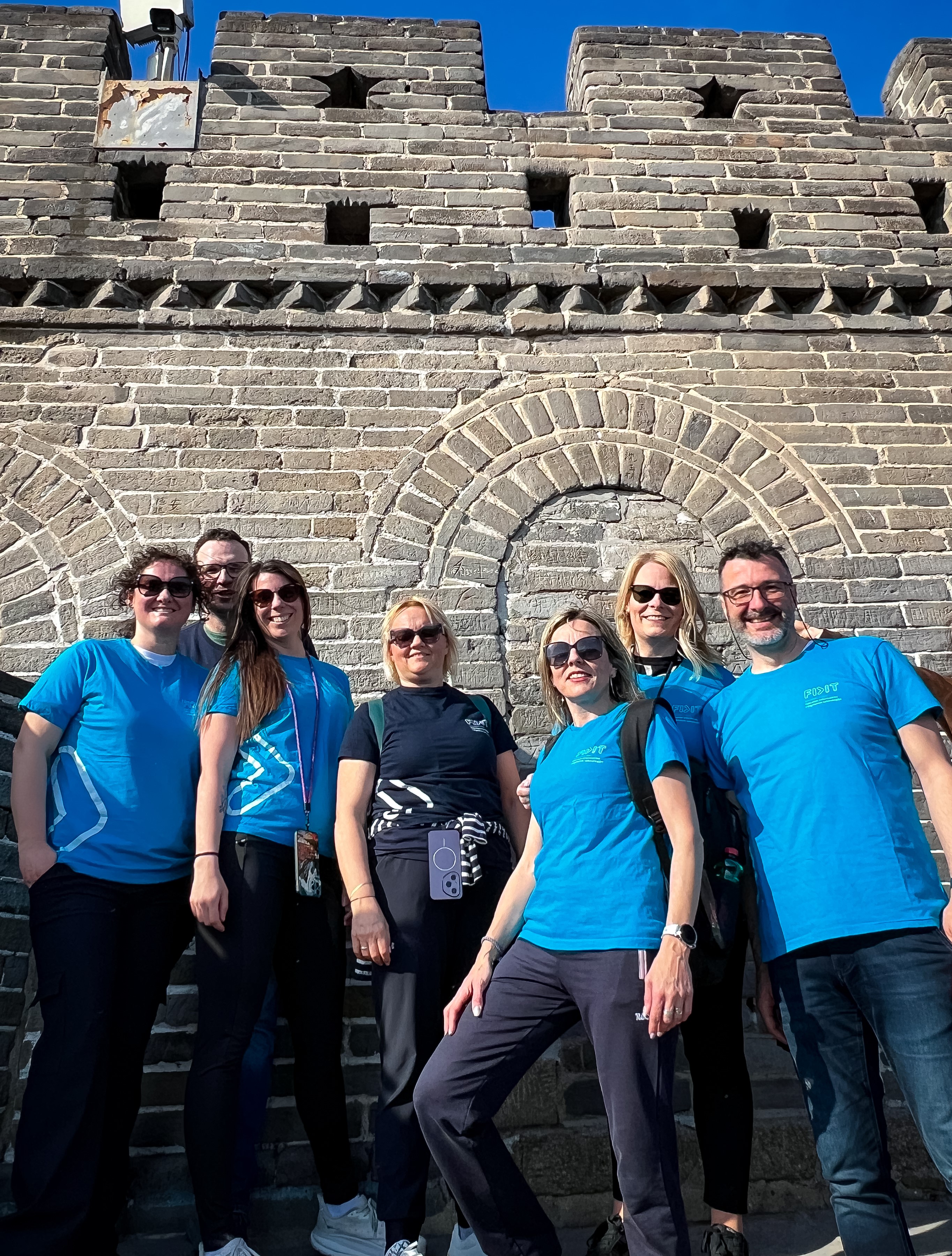
A delegation of academic and teaching staff from the Faculty of Informatics and Digital Technologies, consisting of the Erasmus+ KA171 project coordinator Associate Professor Marija Brkić Bakarić, Dean Professor Patrizia Poščić, Professor Sanja Čandrlić, Associate Professor Danijela Jakšić, Associate Professor Lucija Načinović Prskalo, Associate Professor Vanja Slavuj, and Lecturer Dejan Ljubobratović, visited the partner institution China Agricultural University from April 7 to April 16, 2026.
The delegation was hosted by long-term project collaborator Professor Xiaoshuan Zhang. During the visit, three seminars were held: “Workshop on Digital Economics and Business Informatics between China and Croatia” organized by Professor Yan Jianye, “Workshop on Food Science and Informatics between China and Croatia” organized by Professor Fu Daqi, and “Frontiers in Agricultural Technology” organized by Dr. Zhu Zhiqiang.
The delegation also visited university laboratories, as well as the partner institution Tianjin Academy of Agricultural Sciences.
Members of the delegation presented their home institution and exchanged knowledge and experience in the field of advanced applications of information and communication technologies in the agri-food industry.
ERASMUS+ KA171: New Insights from the project
In a recent joint study published in Computers and Electronics in Agriculture (ScienceDirect), we explored how artificial intelligence and flexible pressure-sensor arrays can transform smart animal husbandry by enabling accurate, real-time monitoring of animal–environment interactions.
Our work focuses on next-generation flexible sensor arrays combined with AI models to capture subtle pressure signals generated by animal movement, posture, and contact behaviors, and to translate them into meaningful indicators of health and welfare.
We investigated three main aspects:
-
Response characteristics of flexible pressure sensor arrays under realistic farming conditions.
-
Optimization strategies for sensor structure, materials, and signal processing using AI-driven methods.
-
Innovative applications in intelligent livestock management, including behavior recognition and early anomaly detection.
Key Findings
-
Flexible pressure sensor arrays demonstrate high sensitivity, mechanical robustness, and stable performance suitable for long-term deployment in agricultural environments.
-
AI-based optimization significantly improves signal accuracy and noise resistance, enabling reliable interpretation of complex pressure patterns.
-
The proposed system supports non-invasive, continuous monitoring, offering a practical pathway toward precision livestock farming and improved animal welfare.
The study is available here: https://doi.org/10.1016/j.compag.2025.110988
Read More
ERASMUS+ KA171: New Insights from the project
In a recent study published in ACS Applied Materials & Interfaces, we addressed a key challenge in agricultural robotics: how to gently and accurately assess fruit ripeness and size during automated harvesting and handling.
We developed a robotic manipulator equipped with integrated flexible tactile sensing arrays, designed to capture detailed contact information while interacting with delicate kiwifruit.
Our approach combines:
-
A soft, sensorized gripper structure for safe physical interaction.
-
High-resolution flexible tactile sensor arrays to measure pressure distribution and surface features.
-
Data-driven classification models for ripeness and size estimation.
Key Findings
-
The integrated tactile arrays provide precise, repeatable measurements without damaging the fruit.
-
Pressure-pattern features enable reliable classification of both ripeness stages and fruit size.
-
The proposed manipulator demonstrates strong potential for deployment in automated sorting, harvesting, and quality-control systems.
This work contributes to safer human-robot interaction in agriculture and to more efficient, quality-aware fruit handling.
The study is available here: https://doi.org/10.1021/acsami.4c12158
Read More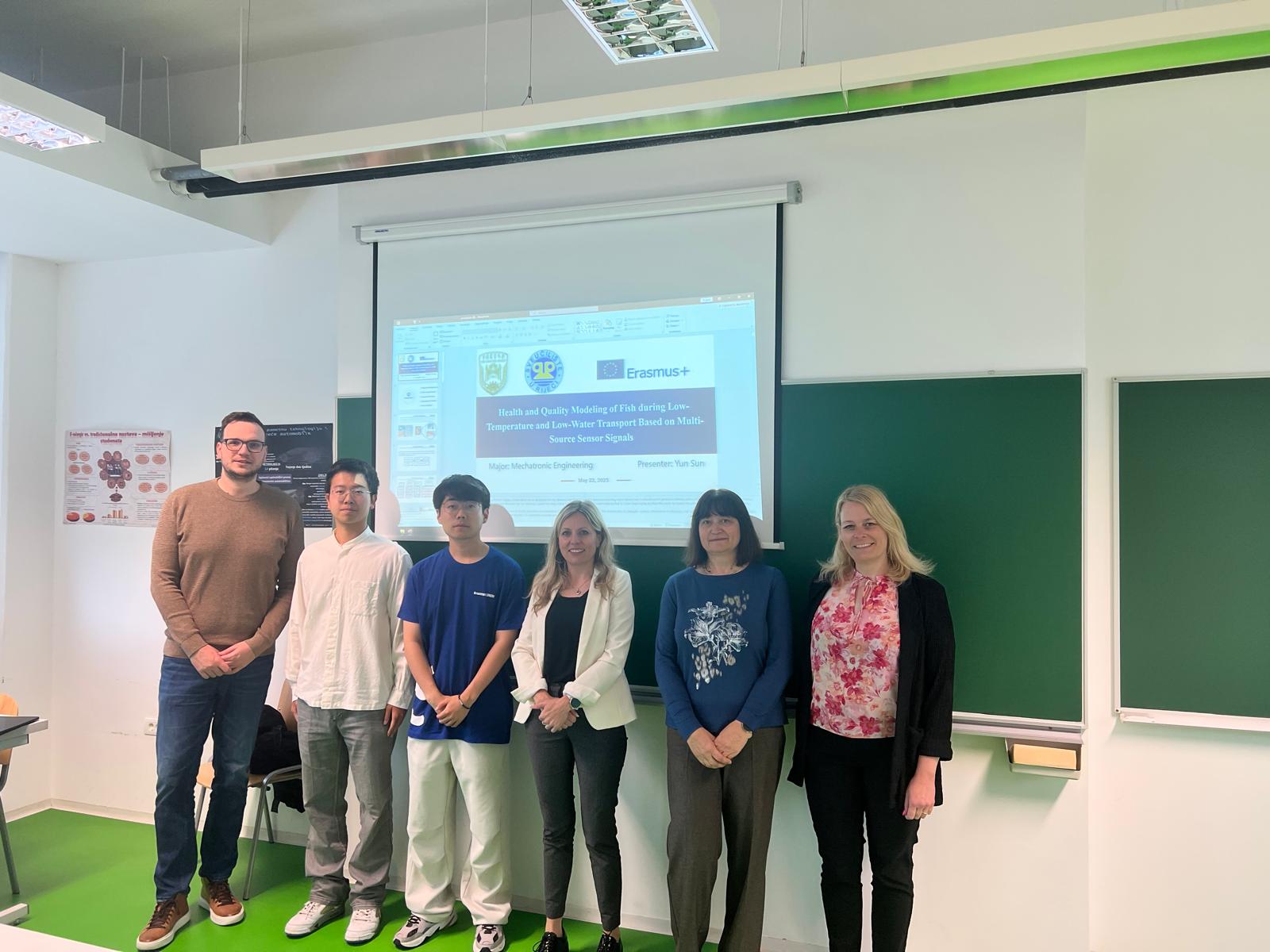
ERASMUS+ KA171: Workshop on advanced ICT for the agri-food industry
PhD students Sun Yun and Kong Chuiyu under the supervision of the host mentor, associate professor Marija Brkić Bakarić, and other members of the Lab for Data Engineering and Computational Linguistics of the Faculty of Informatics and Digital Technologies professor Maja Matetić, associate professor Vanja Slavuj, PhD student Dejan Ljubobratović, and head of the lab, associate professor Lucia Načinović Prskalo participated in a workshop on advanced ICT for the agri-food industry that tackled:
- AI and data-driven solutions for sustainable agriculture
- Computational models for agri-environmental data analysis
- Smart applications and ICT tools supporting food systems
The workshop enabled participants to explore cutting-edge technologies shaping the future of food production and supply chains.
Read More